
If you’re looking to enhance safety and performance in grilling or automotive applications, understanding the best heat shields available in 2025 is essential. These products not only protect surfaces from extreme temperatures but also offer durability and ease of installation. With various options tailored to different needs, you’ll find that choosing the right heat shield can be a game-changer. Let’s explore the top contenders that could make a significant difference for you.
Fireproof Grill Heat Shield for Deck and Stove Protection

If you’re looking to protect your deck and surrounding surfaces from the intense heat of your grill, the Fireproof Grill Heat Shield is an excellent choice. Made of fiberglass with a silicone coating, it withstands temperatures up to 900°F and has a melting point of 2000°F. At 3×4 feet and just 1.79 pounds, it’s easy to install in five minutes using nylon ties. This versatile shield not only protects your deck railings and fences but also serves as a barrier against direct flames. Plus, it’s simple to clean and folds for convenient storage when you’re done grilling.
Best For: Homeowners looking to protect their decks, fences, and surfaces from grill heat damage while enjoying outdoor cooking.
Pros:
- Effective heat protection: Shields surfaces from radiant heat and direct flames, preventing long-term damage.
- Easy installation and maintenance: Installs in just five minutes and is easy to clean with a garden hose.
- Versatile applications: Can be used for various purposes, including as a privacy screen or grill mat.
Cons:
- Limited size options: Available only in a 3×4 feet size, which may not suit all grilling setups.
- Weight may limit portability: Weighing 1.79 pounds, it could be considered slightly heavy for some users.
- Requires nylon ties for installation: Users need to ensure they have the ties available for proper setup.
NEZUIBAN Heat Shroud, 3/4 I.D. x 10FT Heat Shield Automotive

The NEZUIBAN Heat Shroud is an excellent choice for automotive enthusiasts who need robust protection for their wires, cables, and hoses. With a 3/4 inch inner diameter and 10-foot length, it’s lightweight yet incredibly effective. This heat shield withstands direct heat up to 1100°F and radiant heat up to 2000°F, ensuring your components stay safe. Its pliable design allows for easy installation around tight bends, and you can trim it to fit your needs. Users appreciate its flexibility and ease of use, providing peace of mind against wire melting, oil spills, and road grime. Upgrade your vehicle’s protection today!
Best For: Automotive enthusiasts looking for effective heat protection for their wires, cables, and hoses.
Pros:
- Flexible and pliable design allows for easy installation around tight bends.
- Withstands high temperatures, providing superior protection against heat-related damage.
- Can be trimmed to fit specific lengths, making it versatile for various applications.
Cons:
- Requires careful cutting to prevent loose ends, which may be challenging for some users.
- Limited to a specific diameter (3/4 inch), which may not fit all applications.
- May need additional securing methods to ensure it stays in place over time.
FLASLD Aluminized Heat Shield Thermal Barrier Heat Sleeve (12 X 40)
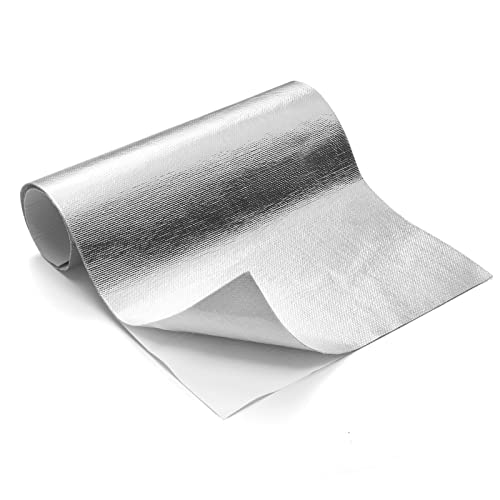
For automotive enthusiasts and DIYers seeking reliable heat protection, the FLASLD Aluminized Heat Shield Thermal Barrier Heat Sleeve (12 X 40) stands out as an exceptional choice. It resists temperatures up to 2000 degrees Fahrenheit while reflecting 95% of radiant heat, ensuring your surfaces stay cool. Measuring 12 x 40 inches, this adhesive-backed sleeve is easy to install, allowing you to achieve a professional finish without extra help. You can also trim it to fit various applications, from hoses to cabinets. With a strong 4.5-star rating, customers praise its effectiveness and quality, making it a smart investment for any project.
Best For: Automotive enthusiasts and DIYers looking for effective heat protection solutions for various applications.
Pros:
- Easy to install: The adhesive backing allows for a straightforward application, facilitating a professional finish without the need for additional help.
- High heat resistance: With a temperature tolerance of up to 2000 degrees Fahrenheit, it effectively protects surfaces from extreme heat.
- Versatile: Can be trimmed to fit different shapes and sizes, making it suitable for various projects including automotive and home applications.
Cons:
- Variable adhesion: Some users have reported differing levels of adhesion effectiveness depending on the surface applied.
- Limited sizes: While available in multiple dimensions, options may not meet every specific requirement for larger projects.
- Weight: At 9.5 ounces, it may be considered heavy for some applications compared to lighter alternatives.
3 X 5 Heat Shield for Grill Wall Protector

Protecting your outdoor space from heat damage while grilling is essential, and the 3 x 5 heat shield for grill wall protection stands out as an excellent choice. Made from fiberglass with a heat-resistant silicone coating, it can withstand temperatures up to 900°F and has a melting point of 2000°F. This durable shield not only prevents damage from hot embers and oil but also protects your deck and fence from heat. Installation is a breeze with copper holes and nylon ties. Plus, it’s waterproof, oil-resistant, and reusable, making it a practical addition for any grilling enthusiast.
Best For: Grilling enthusiasts looking to protect their outdoor spaces from heat damage and stains.
Pros:
- High temperature resistance ensures durability against extreme heat and hot embers.
- Easy installation with copper holes and included nylon ties, requiring no extra tools.
- Waterproof and oil-resistant properties make it simple to clean and maintain.
Cons:
- Limited size may not cover larger grill setups or outdoor areas adequately.
- Weight may vary slightly, which could affect stability during windy conditions.
- Initial cost might be a consideration for budget-conscious consumers.
12 X 48 Aluminized Heat Shield Mat Thermal Barrier
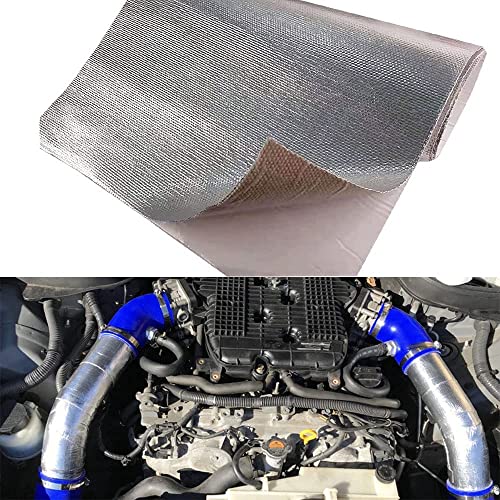
Engineered for those who demand superior heat resistance, the 12 x 48 Aluminized Heat Shield Mat stands out with its ability to reflect an impressive 97% of radiant heat. Weighing only 8.8 ounces, this adhesive-backed thermal barrier is made from durable fiberglass insulation and woven silica, ensuring it withstands temperatures above 2000°F. Whether you need protection for automotive components or cabinets near ovens, it’s versatile for various applications. The easy-to-apply adhesive composite allows you to customize it for your projects. With a solid 4.3-star rating from 210 reviews, it’s a reliable choice for heat resistance and convenience.
Best For: Those seeking a reliable thermal barrier for automotive components and household applications requiring high heat resistance.
Pros:
- Effectively reflects 97% of radiant heat, protecting surfaces from damage.
- Withstands extreme temperatures over 2000°F due to its durable materials.
- Easy to apply with adhesive backing, making it suitable for DIY projects.
Cons:
- Some users reported issues with adhesive strength over time.
- May require customization for specific applications, which could be time-consuming.
- Limited size options may not suit larger projects or needs.
Second Skin Thermal Block – Automotive Heat Shield (2 sq ft, 1 Sheet)
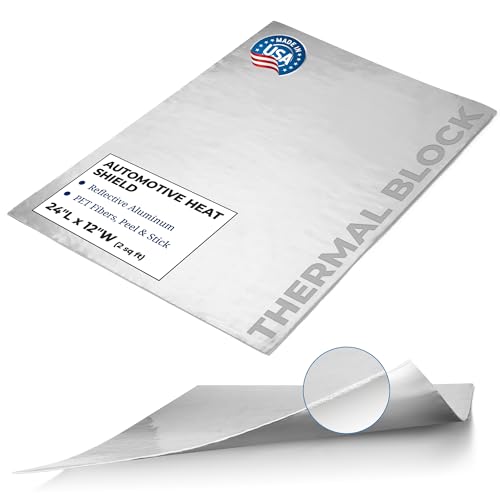
The Second Skin Thermal Block – Automotive Heat Shield stands out as an excellent choice for car enthusiasts looking to enhance vehicle performance while reducing heat exposure. Made from reflective aluminum and PET fibers, this 2 sq ft sheet effectively lowers temperatures by 100 to 200°F, depending on the application. Its lightweight design and 1/8 inch thickness make it easy to install using the peel-and-stick adhesive. You can apply it behind exhaust pipes, under the vehicle, or around fuel lines. With a 98% reflective surface and resistance to various fluids, it’s a reliable option for protecting your ride.
Best For: Car enthusiasts and DIYers looking to effectively reduce heat exposure in their vehicles.
Pros:
- High Reflectivity: The 98% reflective surface significantly reduces heat transfer.
- Easy Installation: Peel-and-stick adhesive allows for quick and hassle-free application.
- Versatile Use: Suitable for various applications, including behind exhaust pipes and around fuel lines.
Cons:
- Adhesive Longevity: Some users have reported concerns about the durability of the adhesive over time.
- Limited Coverage: Each sheet only covers 2 sq ft, which may require multiple sheets for larger areas.
- Thickness: At 1/8 inch, it may not fit in all tight spaces without additional modifications.
Heat Shield Aluminized Heat Shroud Sleeve (3/4 I.D. x 10FT)

If you’re looking for a reliable solution to withstand extreme temperatures, the Heat Shield Aluminized Heat Shroud Sleeve (3/4 I.D. x 10FT) is an excellent choice. This robust sleeve offers superior thermal protection, rated for up to 600°F direct and 2000°F radiant heat. With an innovative hook & loop closure, you can easily wrap it around wires and hoses without disassembly. Plus, it’s trimable, allowing you to customize the fit. Made from high-quality materials, it’s resistant to oil spills and vibrations, ensuring durability in demanding environments. Just be sure to check compatibility before installation for ideal results.
Best For: Automotive and industrial professionals seeking effective thermal protection for wires and hoses in high-temperature environments.
Pros:
- Superior thermal protection rated for up to 600°F direct heat and 2000°F radiant heat.
- Innovative hook & loop closure allows for easy installation without disassembly.
- Durable and resistant to oil spills and vibrations, ensuring long-lasting performance.
Cons:
- Requires careful size and type checks for compatibility with intended applications.
- May be too thick for some applications where space is limited.
- Limited to a specific diameter (3/4 I.D.), which may not suit all needs.
Factors to Consider When Choosing Heat Shields
When selecting heat shields, you need to take into account several key factors to guarantee top performance. Material composition and temperature resistance ratings play essential roles, along with application versatility and installation methods. Additionally, size and fit options can greatly influence how well the heat shield meets your specific needs.
Material Composition and Quality
Choosing the right material composition for heat shields is crucial for achieving maximum protection and performance. You’ll find options like fiberglass, which withstands temperatures up to 900°F, and aluminized materials that can endure direct heat up to 1100°F and radiant heat up to 2000°F. Quality heat shields often feature reflective surfaces, reflecting up to 95-98% of radiant heat, enhancing their protective capabilities. Durability is essential; high-quality shields resist abrasions, chemicals, and oil spills, maintaining their effectiveness over time. Consider the thickness as well; thicker materials provide better insulation and heat resistance, ranging from 0.032 inches to 1/8 inch. Finally, make sure the material is flexible for easy installation around curves and can be trimmed to fit your specific needs.
Temperature Resistance Ratings
Understanding temperature resistance ratings is key to selecting the right heat shield for your needs. Heat shields can withstand direct heat up to 600°F and radiant heat up to 2000°F, so it’s essential to choose one that matches your application. Different uses require different ratings; for instance, automotive heat shields often face higher temperatures than those meant for grilling or home protection. Pay attention to the melting point, as some materials can endure extreme temperatures without degrading, with certain options reaching up to 2000°F. Additionally, consider how well the shield can reflect radiant heat—some can reflect up to 97%. Finally, make sure the material can withstand prolonged exposure while maintaining its structural integrity in high-heat environments.
Application Versatility
While considering your options, application versatility plays an essential role in selecting the right heat shield for your specific needs. Heat shields can be utilized in various settings, from automotive environments to outdoor grilling and even protecting kitchen cabinets near ovens. Many are designed to withstand extreme temperatures, with some enduring direct heat up to 1100°F and radiant heat up to 2000°F. Some heat shields serve multiple functions, such as acting as privacy screens on balconies or safeguarding wiring in vehicles. You can also customize them by trimming to desired lengths or shapes, ensuring effective protection in specific scenarios. Additionally, features like adhesive backing or pre-punched holes make them easy to apply across a range of projects.
Installation Ease and Methods
When evaluating heat shields, installation ease and methods can considerably influence your decision. Many options feature pre-punched holes or adhesive backing, allowing for quick installation without needing additional tools. If you’re looking for something even simpler, some products use nylon ties that can be secured in just five minutes. You’ll also appreciate flexible heat shields that easily conform to tight bends and curves, making installation a breeze. Plus, many heat shields can be trimmed to fit your specific needs, enhancing customization. Don’t forget about maintenance; easy-to-clean features, like oil-proof surfaces or those that can be rinsed with a garden hose, make upkeep effortless. All these factors contribute to a user-friendly experience you’ll value.
Size and Fit Options
Choosing the right size and fit for your heat shield is essential to confirm maximum protection and performance. First, consider the dimensions; for grill protection, you might need sizes like 3×4 feet or 3×5 feet. Many heat shields also offer customizable lengths, such as 10-foot options, which you can trim for specific applications. Look for pliable materials that conform to tight bends and various shapes, enhancing their effectiveness. Additionally, some models come in multiple sizes, like 12×40 inches or 12×48 inches, catering to different automotive and home needs. Verify the heat shield’s size is compatible with the surfaces you want to protect, whether they’re walls, hoses, or wiring, to maximize its effectiveness against heat damage.
Durability and Longevity
Durability and longevity are essential factors to take into account in heat shields, as they directly influence your investment’s effectiveness and lifespan. Look for materials like fiberglass, aluminized fabric, or woven silica that can handle high temperatures—some tolerate direct heat up to 1100°F and radiant heat exceeding 2000°F. Assess durability by checking the product’s resistance to abrasions, chemicals, and environmental factors. A heat shield that reflects up to 97% of radiant heat will not only enhance performance but also extend its life. Consider installation features, such as peel-and-stick designs, to guarantee it stays securely in place. Regular maintenance and cleaning, especially for oil-proof options, will further enhance your heat shield’s longevity and effectiveness against heat damage.


