
When it comes to gas regulators, choosing the right one can make all the difference in safety and efficiency at home. In 2025, you’ll find several models that stand out for their durability and ease of installation. Whether you’re cooking or heating, the right regulator can enhance your experience. Let’s explore the top choices available this year and discover which ones might be the best fit for your needs.
Pietro Fiorentini Gas Line Pressure Regulator 3/4 NPT – F30052

If you’re looking for a reliable and efficient gas pressure regulator, the Pietro Fiorentini Gas Line Pressure Regulator 3/4 NPT – F30052 stands out with its double diaphragm design, ensuring enhanced safety and stability. Weighing just 1.54 pounds, it’s compact and made from durable bronze, stainless steel, and brass. The balanced valve design provides a high turndown ratio, ensuring stable regulation across various flow ranges. With a lockup capability for complete shutoff and a vent limiter for easy installation, this regulator is perfect for both indoor and outdoor use. Plus, it meets CSA guidelines, making it a dependable choice for your gas systems.
Best For: Homeowners and professionals looking for a reliable gas pressure regulator for natural gas or LPG systems.
Pros:
- Double diaphragm design enhances safety and reliability during operation.
- Balanced valve design ensures stable regulation across various flow ranges with a high turndown ratio.
- Lockup capability provides complete shutoff in the absence of gas flow, ensuring safety.
Cons:
- May require professional installation for optimal performance.
- Limited to non-corrosive, clean gases which may restrict some users.
- The vent limiter is internal and non-removable, which could complicate certain installations.
3 Feet Propane Regulator Hose with Tank Gauge for LP Gas Grills

The 3 Feet Propane Regulator Hose with Tank Gauge is an excellent choice for anyone looking to enhance their LP gas grilling experience. This universal replacement part fits most LP gas grills and appliances with a Type 1 connection. Weighing just 0.7 pounds, it’s made from durable brass and rubber, ensuring both safety and reliability. With a maximum pressure of 250 PSI, it offers an air-tight connection to prevent leaks. Customers appreciate its easy installation and effective performance, often noting the convenience of the integrated tank gauge. Upgrade your grilling setup and enjoy peace of mind with this dependable regulator hose.
Best For: Those seeking a reliable and easy-to-install propane regulator hose for their LP gas grills and appliances.
Pros:
- Easy Installation: Tool-less attachment makes setup quick and hassle-free.
- Durable Material: Made from brass and rubber, ensuring longevity and safety.
- Integrated Gauge: The built-in tank gauge provides convenience and helps monitor propane levels.
Cons:
- Limited Length: At 3 feet, it may not be suitable for setups that require longer hoses.
- Compatibility Issues: While it fits most appliances, some specific models may not be compatible.
- Weight: Some users may find it slightly heavier compared to other lightweight options.
Maxitrol RV48L Natural Gas Pressure Regulator

Renowned for its reliable performance, the Maxitrol RV48L Natural Gas Pressure Regulator is an ideal choice for homeowners and professionals alike who need a dependable solution for managing natural gas pressure. With an inlet pressure of 1/2 PSI and an outlet pressure range of 3 to 6 water column, this cast iron regulator guarantees peak flow. Weighing only 8.8 ounces and measuring 6.5 x 5.83 x 2.68 inches, it’s easy to install. Rated 4.6 out of 5 stars, users praise its ease of installation and improved flame quality, making it perfect for applications like hot plates and commercial cooking equipment.
Best For: Homeowners and professionals looking for a reliable natural gas pressure management solution.
Pros:
- Easy to install, making it accessible for both DIY users and professionals.
- Improved flame quality in burners for better cooking performance.
- Versatile applications, suitable for hot plates and commercial cooking equipment.
Cons:
- Limited to specific inlet and outlet pressure ranges, which may not suit all setups.
- Requires careful installation to prevent performance issues related to temperature and gas flow direction.
- May need a warranty request for added assurance, as it’s not automatically provided.
GasOne Propane Regulator with Hose for LP Gas Grill
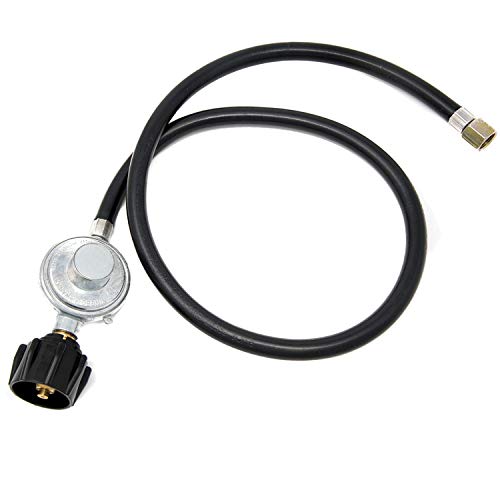
For anyone looking to enhance their outdoor cooking experience, the GasOne Propane Regulator with Hose is an excellent choice. This universal QCC1 grill replacement features a 3-foot hose and delivers a maximum output of 80,000 BTU. Made from high-quality rubber and brass, it guarantees a leak-free connection for your LP gas grill, heater, or fire pit. You’ll appreciate its tool-free installation, making setup a breeze. With a 4.5-star rating from over 13,000 reviews, users praise its durability and compatibility. Upgrade your grilling game today and enjoy a smooth, reliable propane experience with GasOne!
Best For: Outdoor cooking enthusiasts looking for a reliable and easy-to-install propane regulator for their grills and heating appliances.
Pros:
- Durable Construction: Made from high-quality rubber and brass for enhanced longevity and performance.
- Easy Installation: Tool-free setup allows for quick and hassle-free connections to propane tanks and appliances.
- High Performance: Delivers a maximum output of 80,000 BTU, improving flame performance, especially in older grills.
Cons:
- Limited Hose Length: The 3-foot hose may not be adequate for all grilling setups or placements.
- Single Pressure Rating: Operating at a low pressure of 1 PSI may not meet the needs of all propane appliances.
- Country of Origin: Being manufactured in China may raise concerns for some consumers regarding quality control.
Aupoko 3/4 Natural Gas Pressure Regulator

Seeking a reliable solution for your natural gas appliances? The Aupoko 3/4 Natural Gas Pressure Regulator is an excellent choice. With a 3/4” FNPT thread, it fits perfectly with various gas equipment, making it ideal for gas grills and commercial kitchens. Operating at an inlet pressure of 1/2 PSI, you can adjust the outlet pressure between 4 to 10 WC, accommodating both natural gas and propane. It works efficiently in temperatures ranging from 32°F to 225°F. Plus, if you have questions after your purchase, Aupoko’s customer support promises a response within 24 hours. Your safety and performance are guaranteed!
Best For: The Aupoko 3/4 Natural Gas Pressure Regulator is best for homeowners and commercial kitchen operators looking for a reliable pressure regulator for their natural gas and liquefied gas appliances.
Pros:
- Versatile Compatibility: Suitable for both natural gas and propane applications, making it adaptable for various cooking appliances.
- Adjustable Pressure Range: Outlet pressure can be easily adjusted between 4 to 10 WC, allowing for customized performance.
- Effective Temperature Range: Operates efficiently in a wide temperature range from 32°F to 225°F, ensuring reliable performance in different environments.
Cons:
- Limited to Specific Thread Size: The 3/4” FNPT thread may not fit all gas equipment, limiting compatibility with some appliances.
- Temperature Sensitivity: Requires careful installation away from heating equipment and extreme cold to maintain functionality.
- Adjustment Complexity: Modifying settings for propane applications may be complicated for some users without prior experience.
R622-DFF 2nd Stage Regulator, 9-13 W.C Spring, 3/4 x 3/4 NPT
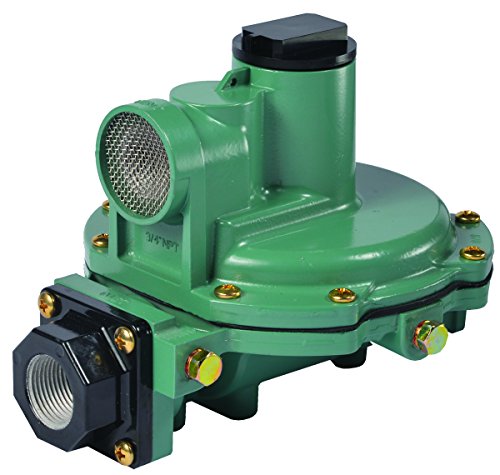
If you’re looking for a reliable solution to regulate pressure in domestic LP-gas systems, the R622-DFF 2nd Stage Regulator is an excellent choice. With a 3/4 x 3/4-inch body size and a capacity of 1,400,000 BTU/hr, it efficiently reduces outlet pressure from a first-stage regulator. This UL-listed regulator operates within a 9 to 13 inches W.C outlet pressure range, guaranteeing safety with its high-performance relief valve. However, consider installation challenges and verify compliance with local codes. Users praise its durability and effectiveness, making it a strong contender for both residential and commercial applications.
Best For: Those seeking a reliable and high-capacity second-stage regulator for residential and commercial LP-gas systems.
Pros:
- UL listed for safety and compliance with industry standards.
- High-performance relief valve to manage overpressure situations effectively.
- Positive user feedback on durability and effectiveness in various applications.
Cons:
- Installation may present challenges due to size and mounting location considerations.
- Some users noted the lack of completeness in mounting accessories.
- Mixed experiences regarding returns and refunds, highlighting the need for careful product selection.
1/2 Inch Gas Pressure Regulator with Brass Adapters

The 1/2 inch Gas Pressure Regulator with Brass Adapters stands out as the ideal choice for homeowners and professionals who need reliable gas control for various appliances. Compatible with both natural gas and liquefied petroleum gas, it easily switches between modes. With a 1/2 PSI inlet pressure and a robust capacity of up to 150,000 BTU, it suits gas grills, water heaters, and more. Its durable aluminum construction guarantees longevity, while the included brass adapters make installation a breeze. Operating efficiently from 32°F to 225°F, this regulator combines safety and performance for your home’s gas needs.
Best For: Homeowners and professionals seeking a versatile and reliable gas pressure regulator for various appliances.
Pros:
- Durable Construction: Made from high-quality aluminum, ensuring long-lasting performance.
- Easy Installation: Comes with brass adapters and simple instructions, making DIY installation straightforward.
- Versatile Compatibility: Suitable for both natural gas and liquefied petroleum gas, accommodating a wide range of appliances.
Cons:
- Limited Temperature Range: Not ideal for use in extremely cold environments or near heating equipment.
- Weight: At 9.6 ounces, it may be considered slightly heavier compared to some other models.
- Customer Ratings: While generally positive, the 4.1 out of 5 stars indicates room for improvement based on customer feedback.
Factors to Consider When Choosing Gas Regulators
When choosing a gas regulator, you need to take into account several key factors to guarantee safety and efficiency. Think about the pressure specifications, material quality, and temperature range that best fit your needs. It’s also essential to check compatibility with your appliances and how easy the installation will be.
Pressure Specifications
Choosing the right gas regulator hinges on understanding pressure specifications. You’ll find that gas regulators have specific inlet and outlet pressure ranges. For natural gas, common inlet pressures are around 1/2 PSI (34 mbar), while outlet pressures typically range from 3 to 14 inches W.C., depending on your appliance. It’s vital to check the maximum inlet pressure a regulator can handle—some can manage up to 80 PSIG or more. Confirm the outlet pressure aligns with your appliance’s needs, which often require 4 to 10 inches W.C. for natural gas. Additionally, consider the regulator’s capacity; some handle up to 1,400,000 BTU/hr. Finally, verify that it operates effectively in the ambient temperature range of 32°F to 225°F (0°C to 107°C).
Material Quality
Understanding pressure specifications lays a solid foundation for selecting the right gas regulator, but material quality plays an essential role in guaranteeing durability and reliability. Common materials like bronze, stainless steel, and brass each provide different corrosion resistance and strength levels. High-quality regulators often use cast iron or aluminum, offering longevity in demanding conditions. If you prefer easier installation, lighter materials like aluminum are great, while heavier options like cast iron deliver better stability and durability. Additionally, regulators made from high-grade materials comply with safety standards, preventing leaks and failures. By choosing a regulator with the right material, you not only enhance performance but also guarantee safety in your gas delivery system.
Temperature Range
The temperature range of a gas regulator is essential for guaranteeing its performance and reliability. Typically, you’ll find regulators with a range of -40°F to 150°F. If the ambient temperature rises too high, the internal components may expand, disrupting gas flow and pressure stability. On the flip side, extremely low temperatures can thicken the gas, causing flow restrictions and erratic pressure output. Operating outside this specified range can lead to malfunction or complete failure, which compromises both safety and efficiency. To maintain ideal performance, guarantee proper installation and placement of the regulator, keeping it away from heat sources or extreme cold. By doing this, you can help ensure that your gas regulator operates smoothly and safely.
Compatibility With Appliances
When selecting a gas regulator, verifying its compatibility with your appliances is essential for safe and efficient operation. First, confirm that the regulator matches the type of gas you’re using, whether it’s natural gas (NG) or liquefied petroleum gas (LPG). Next, check that the inlet and outlet sizes align with your appliance’s pipe sizes for maximum gas flow. It’s also important to verify the regulator’s pressure specifications; they should meet your appliance’s requirements for proper performance. Don’t forget to take into account the maximum BTU output to confirm it can handle your appliances’ heating demands. Finally, make sure the regulator fits your specific application—residential, commercial, or industrial—to guarantee safety and efficiency in your home.
Installation Ease
Choosing the right gas regulator can greatly simplify your installation process. Look for models that don’t require tools for setup, which saves you time and hassle. Clear installation instructions and diagrams are essential, especially if you’re a DIY enthusiast; they guarantee you make the right connections. Consider the size and weight of the regulator, as lighter and more compact options are easier to handle during installation. Make certain the regulator is compatible with your existing gas lines and appliances by selecting those with standard connection sizes, like NPT threads, to avoid extra fittings. Finally, opt for products that offer a hassle-free attachment process to gas tanks, enhancing your overall experience and safety.


